June Lee
June Lee és una de les artistes seleccionades per a les Residències B-Murals 2026.
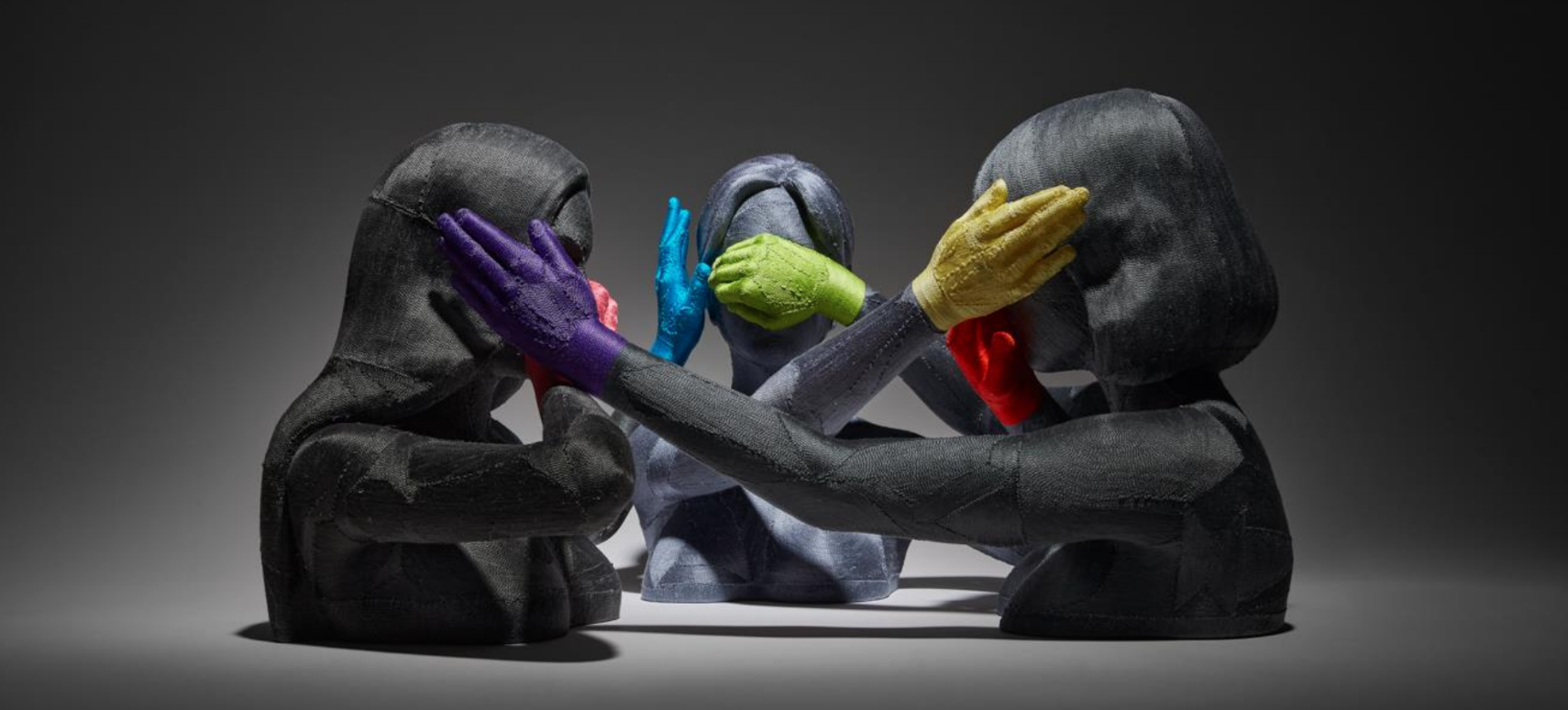
‘Bystanders of Barcelona’ és el resultat de la recerca artística desenvolupada per June Lee durant la seva residència d’estiu a B-Murals.
El projecte trasllada a Barcelona la sèrie ‘Bystander’, iniciada per l’artista l’any 2012 a partir de l’observació de la societat i de les formes en què les persones ocupen, comparteixen i contemplen l’espai que les envolta. La proposta s’inscriu en la recerca de l’artista sobre la identitat individual, la pertinença i els vincles que es generen entre les persones i el seu entorn.
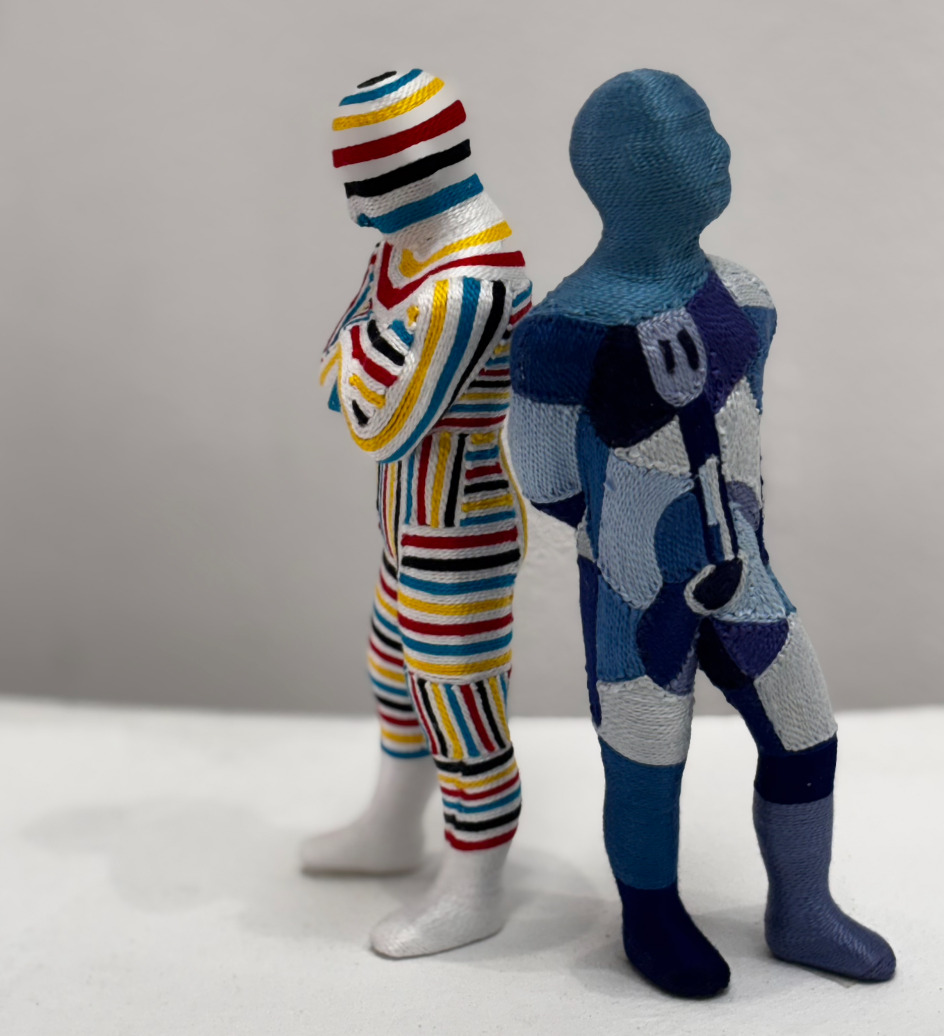
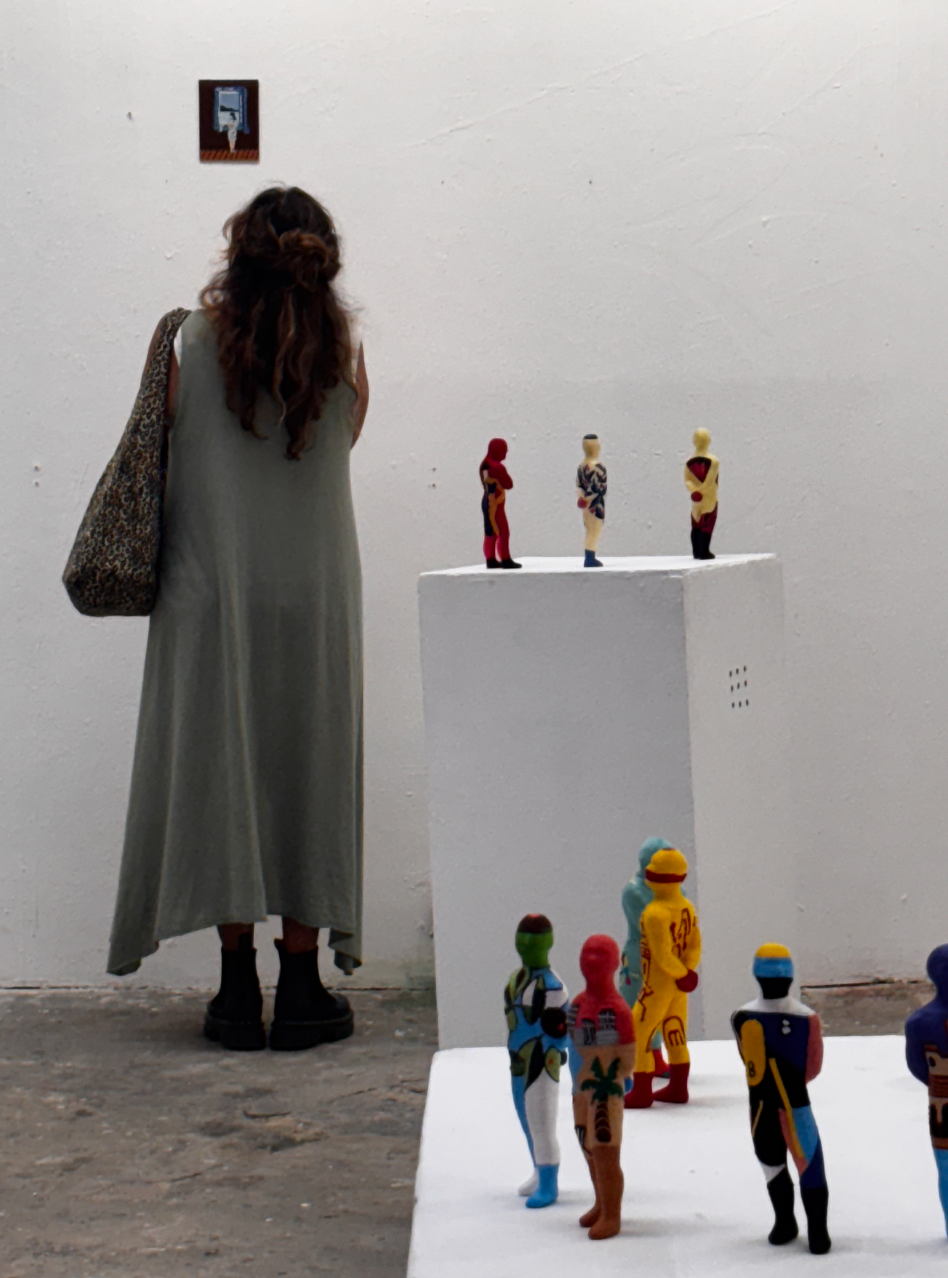
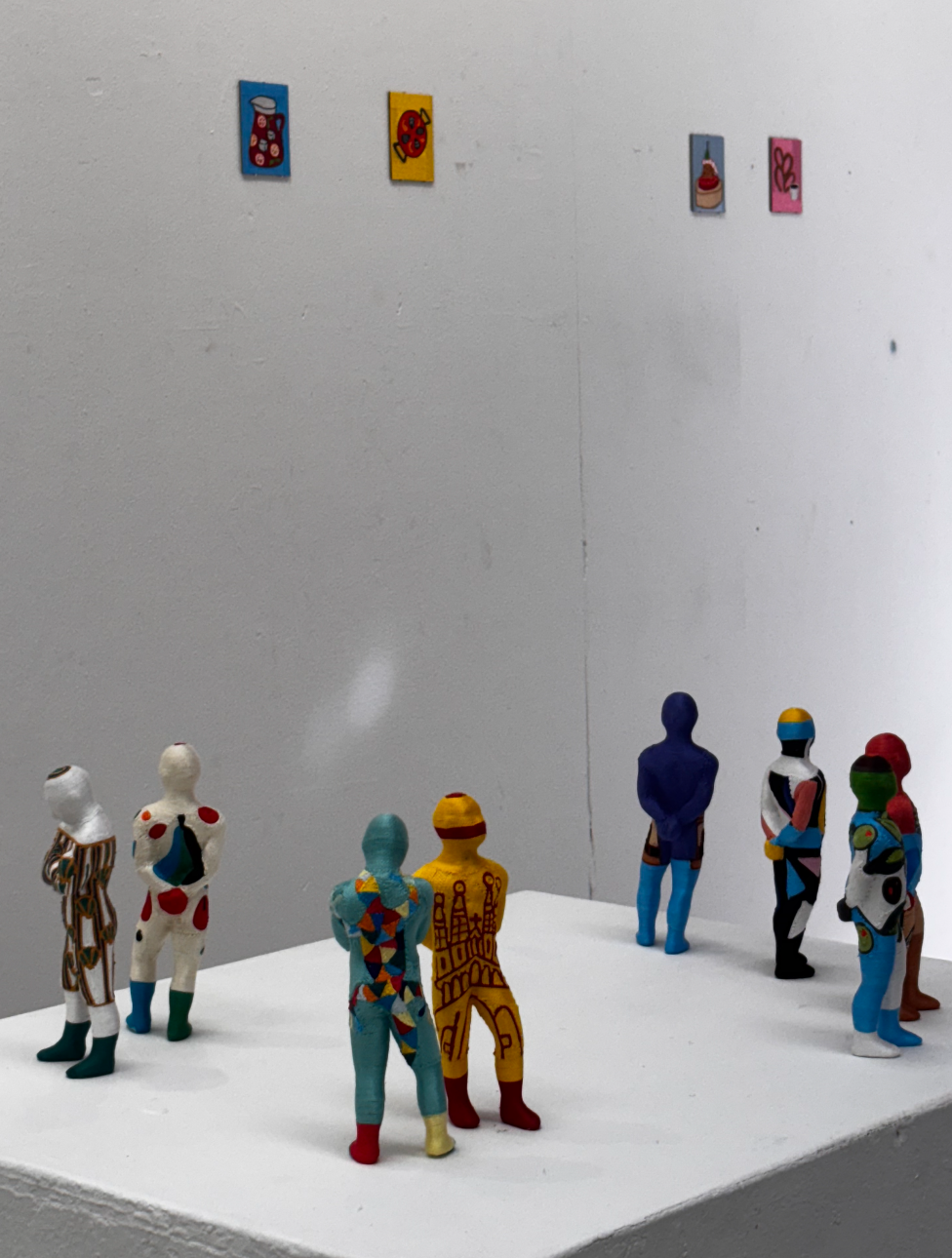
La sèrie està formada per figures d’uns 23 centímetres d’alçada, representades amb els braços plegats o amb les mans entrellaçades darrere l’esquena. Aquestes postures situen els personatges en una actitud d’espera i observació: són testimonis del seu entorn, presències que miren sense intervenir i que, agrupades, construeixen una imatge de la comunitat. Tot i compartir una mateixa estructura corporal, cada figura és única. L’artista no repeteix mai exactament els patrons, les combinacions cromàtiques ni les textures que les recobreixen.
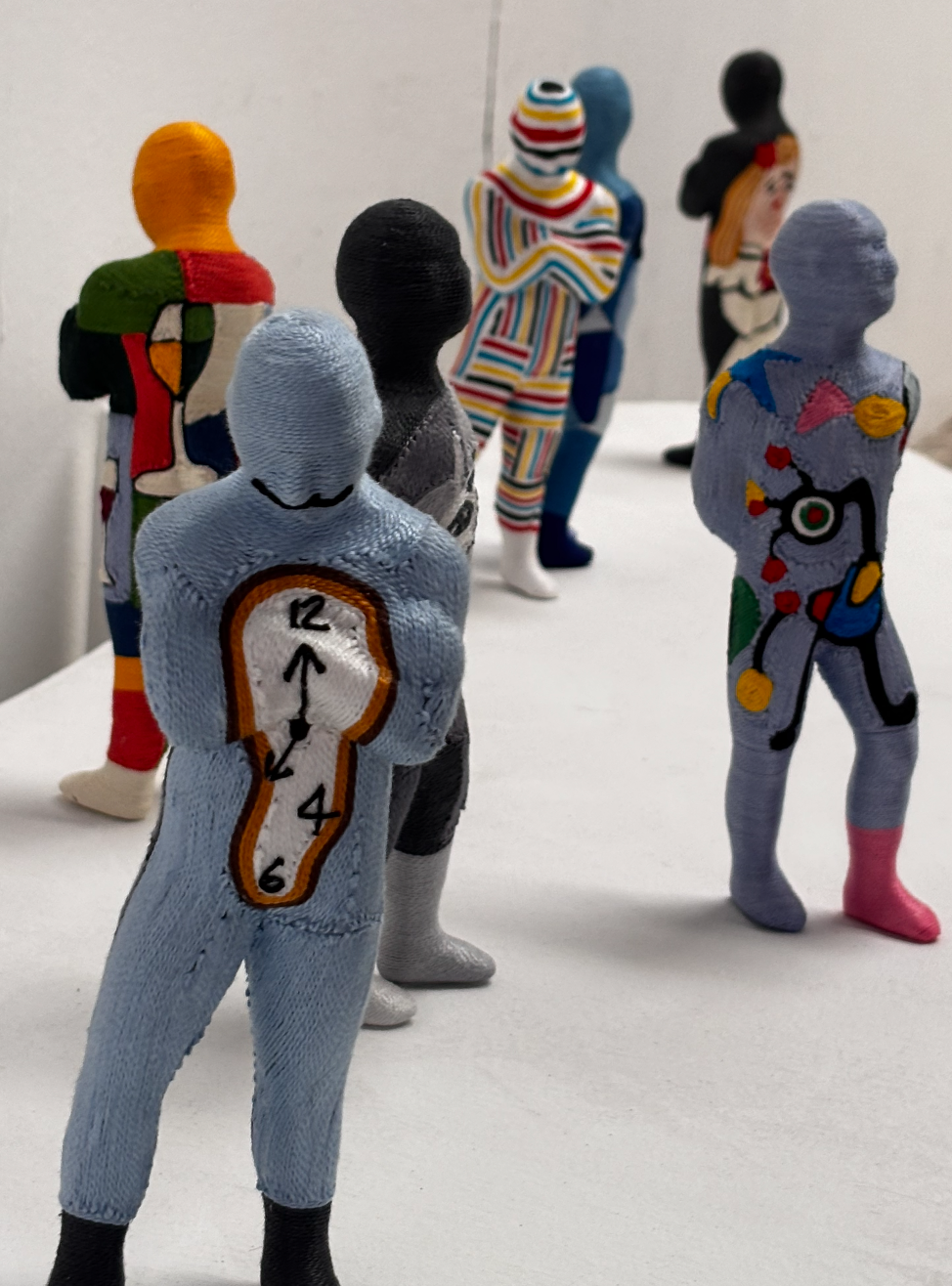
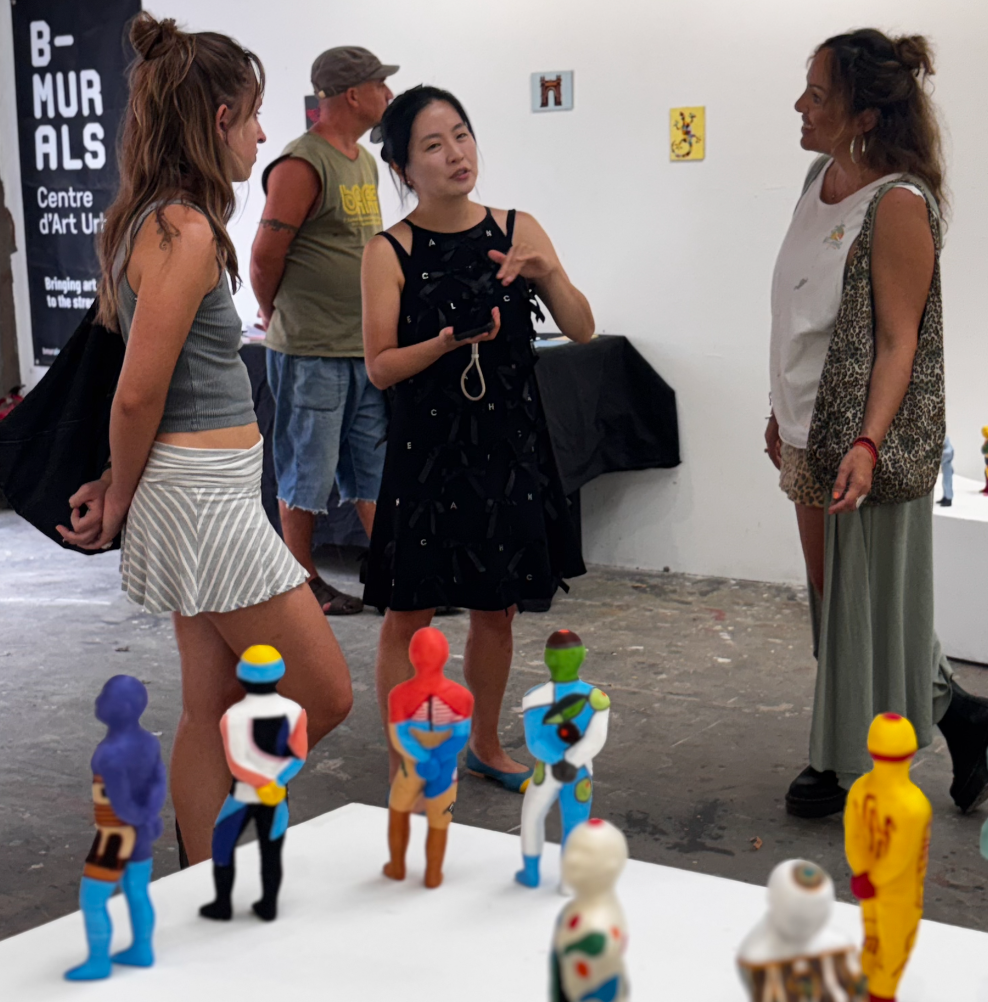
Lee adapta la sèrie al territori que habita temporalment. Per crear ‘Bystanders of Barcelona’, porta a la ciutat 24 figures que ha transformat a partir dels colors, formes i detalls observats durant la seva estada. L’arquitectura, els espais monumentals, les botigues de disseny local, els objectes quotidians i les escenes trobades als carrers es converteixen en motius visuals que l’artista registra fotogràficament i relaciona amb cadascun dels personatges, antropomorfitzant la ciutat.
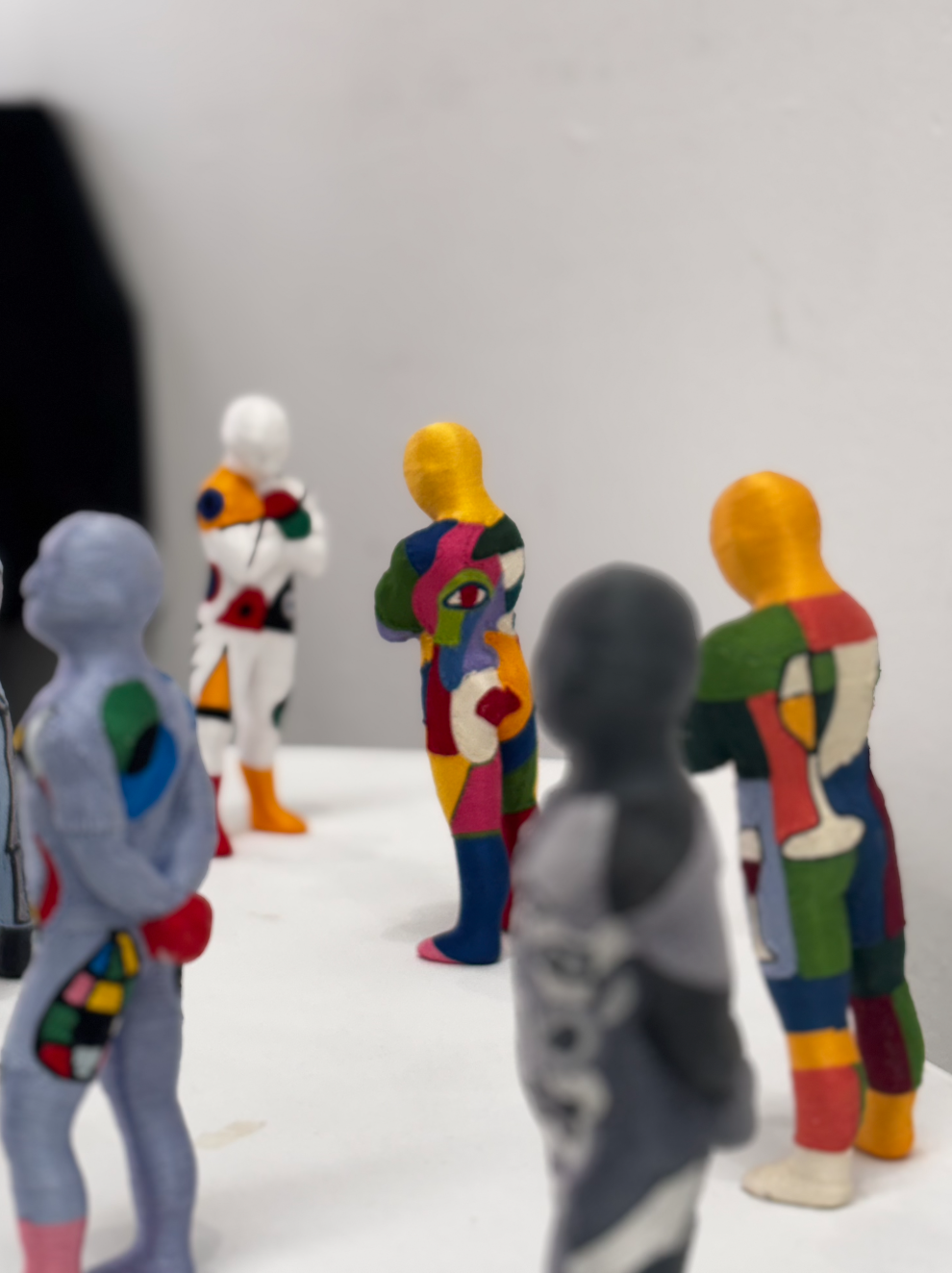
El procés de treball combina l’experiència directa de la ciutat amb una pràctica lenta, reiterativa a l’estudi. Durant el dia, Lee recorre Barcelona i recopila imatges, impressions i referències. En tornar a B-Murals, embolcalla les figures amb fil fins a cobrir-ne completament la superfície: cada peça conserva, a través dels seus colors i patrons, el rastre d’una observació concreta.
La recerca incorpora també l’exploració de l’artista en peces a dues dimensions, desenvolupades a partir del mateix llenguatge formal. Aquest nou format amplia les possibilitats expositives de la sèrie i explora com els personatges poden passar de l’escultura tèxtil a la superfície sense perdre la seva identitat ni la relació entre figura, patró i espai.
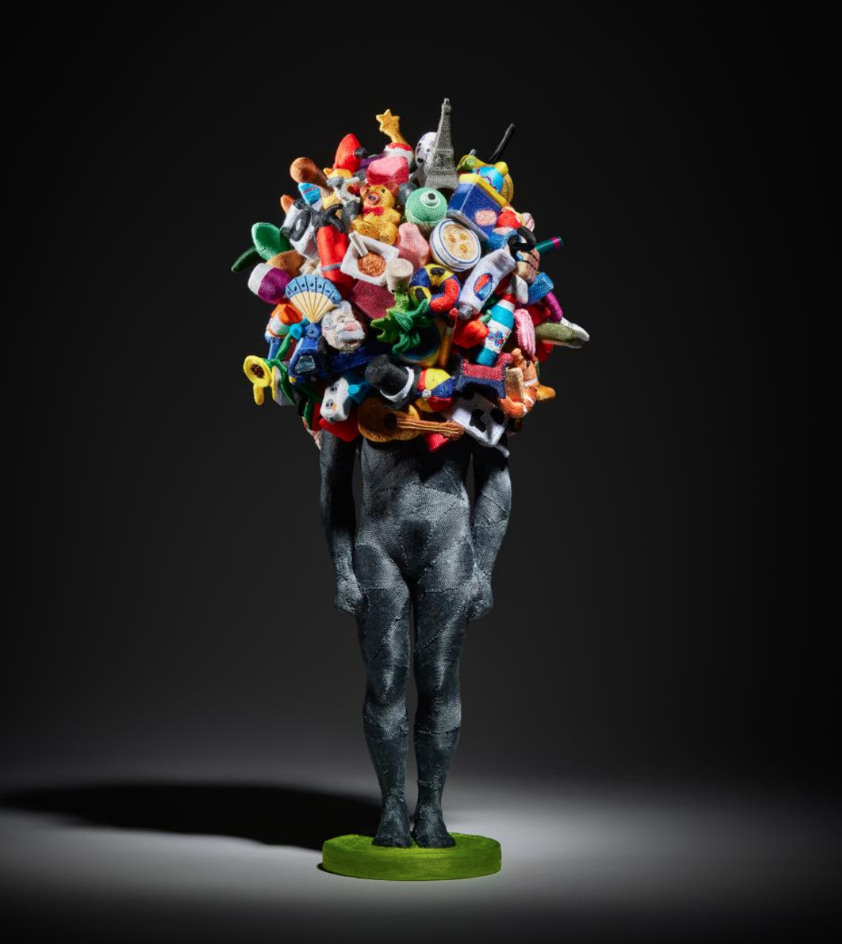
El treball de June Lee utilitza principalment el fil, la fibra i l’escultura tèxtil per investigar la posició de l’individu dins la societat contemporània. A ‘Bystanders of Barcelona’, el fil actua alhora com a material principal de la peça i com a registre de l’experiència: connecta cada figura amb un lloc, una imatge i un moment viscut, i converteix el conjunt en un retrat plural de la ciutat des de la mirada temporal d’algú que l’observa, la recorre i l’interpreta.


ENG
Bystanders of Barcelona is the result of the artistic research developed by June Lee during her summer residency at B-Murals.
The project brings to Barcelona the Bystander series, initiated by the artist in 2012 through her observation of society and the ways in which people occupy, share and contemplate the spaces around them. The proposal forms part of the artist’s research into individual identity, belonging and the relationships established between people and their surroundings.
The series consists of figures approximately 23 centimetres tall, depicted with their arms crossed or their hands clasped behind their backs. These postures place the characters in an attitude of waiting and observation: they are witnesses to their surroundings, presences that look on without intervening and that, when grouped together, construct an image of community. Although they share the same basic bodily structure, each figure is unique. The artist never exactly repeats the patterns, colour combinations or textures covering them.
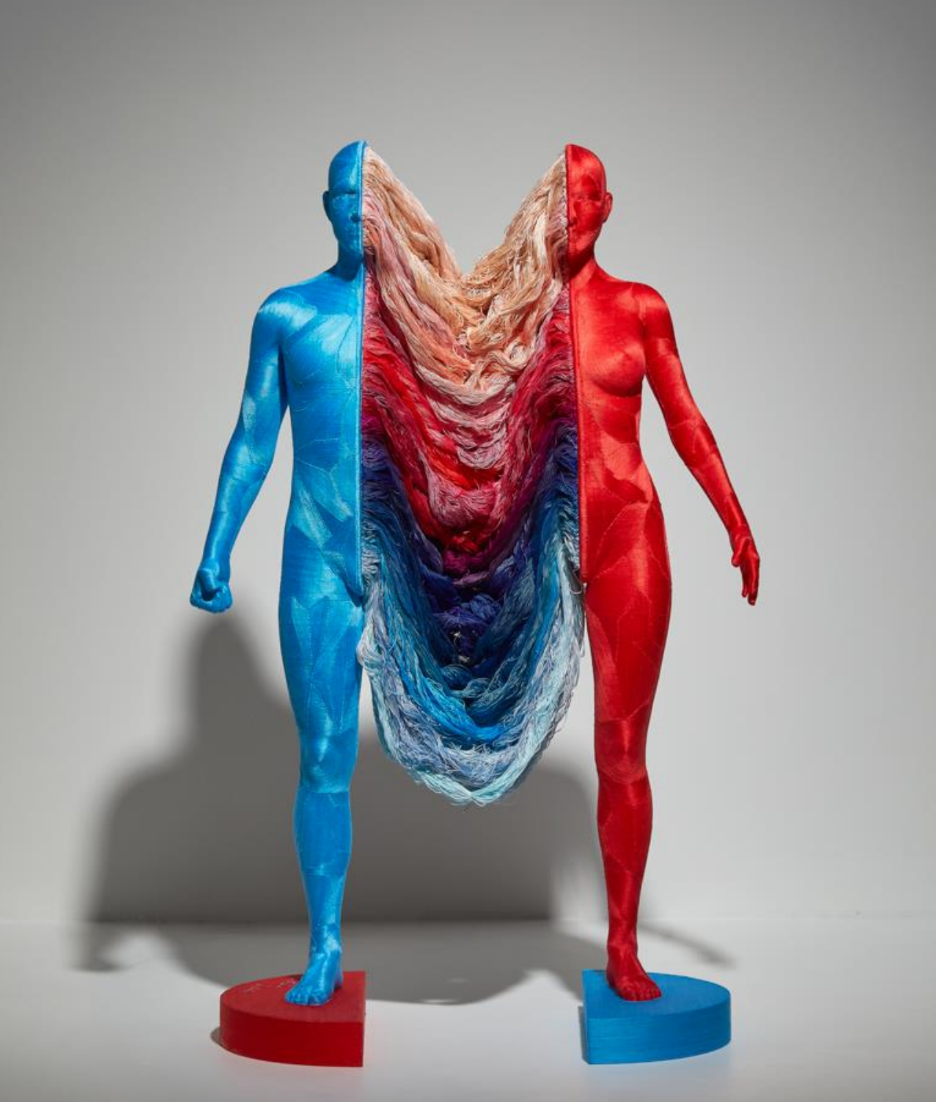
Lee adapts the series to each place she temporarily inhabits. To create Bystanders of Barcelona, she brings 24 figures to the city and transforms them using the colours, forms and details observed during her stay. Architecture, monumental spaces, local design shops, everyday objects and scenes encountered in the streets become visual motifs that the artist records through photography and associates with each of the characters, anthropomorphising the city.
The working process combines direct experience of the city with a slow, repetitive studio practice. During the day, Lee explores Barcelona and gathers images, impressions and references. Upon returning to B-Murals, she wraps the figures in thread until their surfaces are completely covered: through its colours and patterns, each piece preserves the trace of a specific observation.
The research also incorporates the artist’s exploration of two-dimensional works developed through the same formal language. This new format expands the exhibition possibilities of the series and examines how the characters can move from textile sculpture onto a flat surface without losing their identity or the relationship between figure, pattern and space.
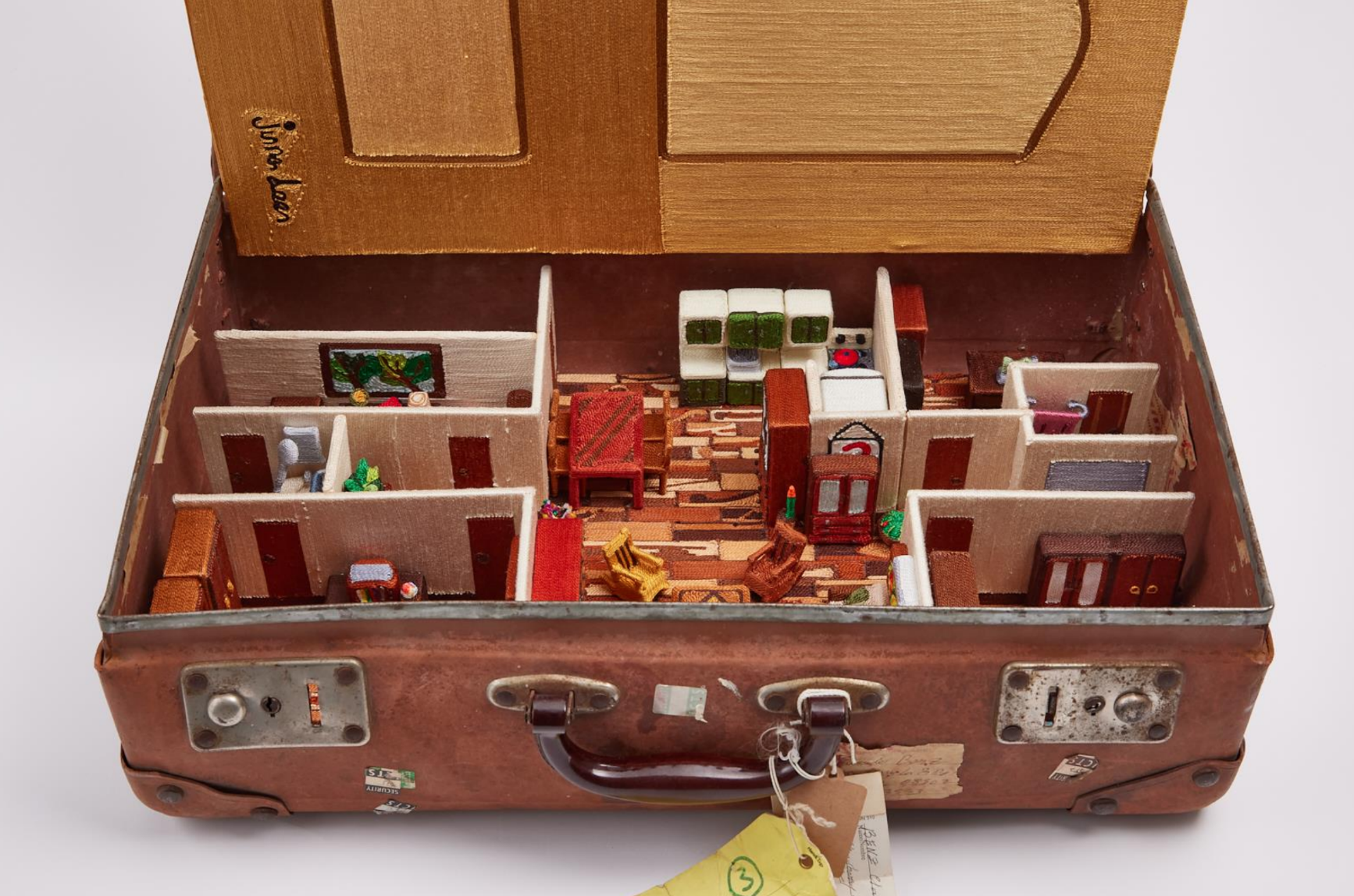
June Lee’s practice primarily uses thread, fibre and textile sculpture to investigate the position of the individual within contemporary society. In Bystanders of Barcelona, thread functions both as the work’s primary material and as a record of experience: it connects each figure to a place, an image and a lived moment, transforming the ensemble into a multifaceted portrait of the city through the temporary gaze of someone who observes, explores and interprets it.